
RadiCare
Radicare
A radical idea based in community
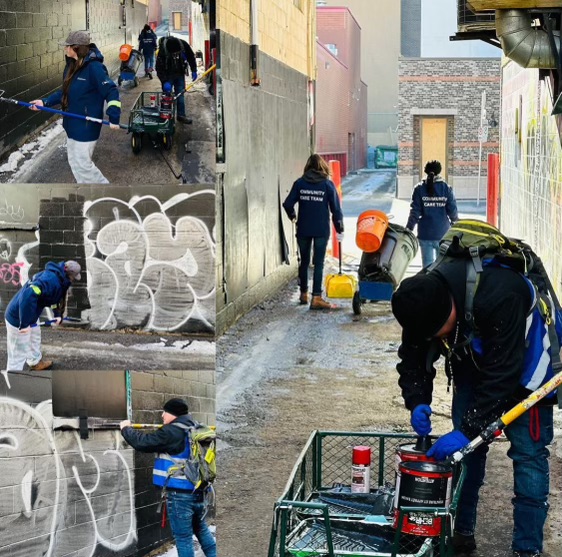
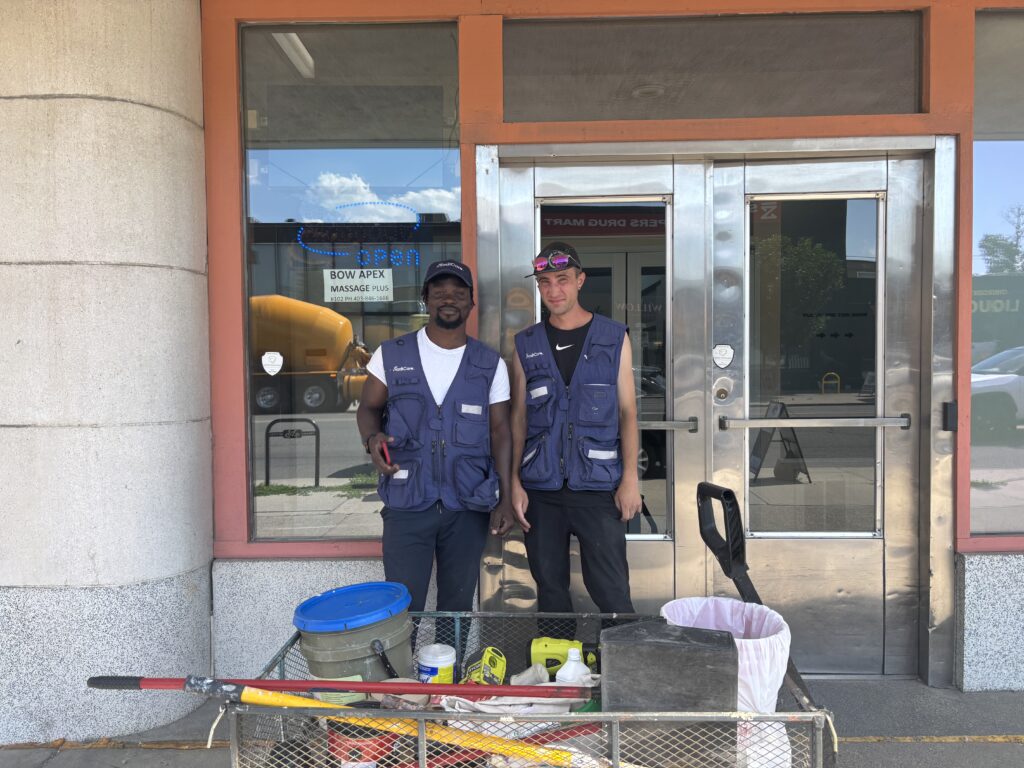
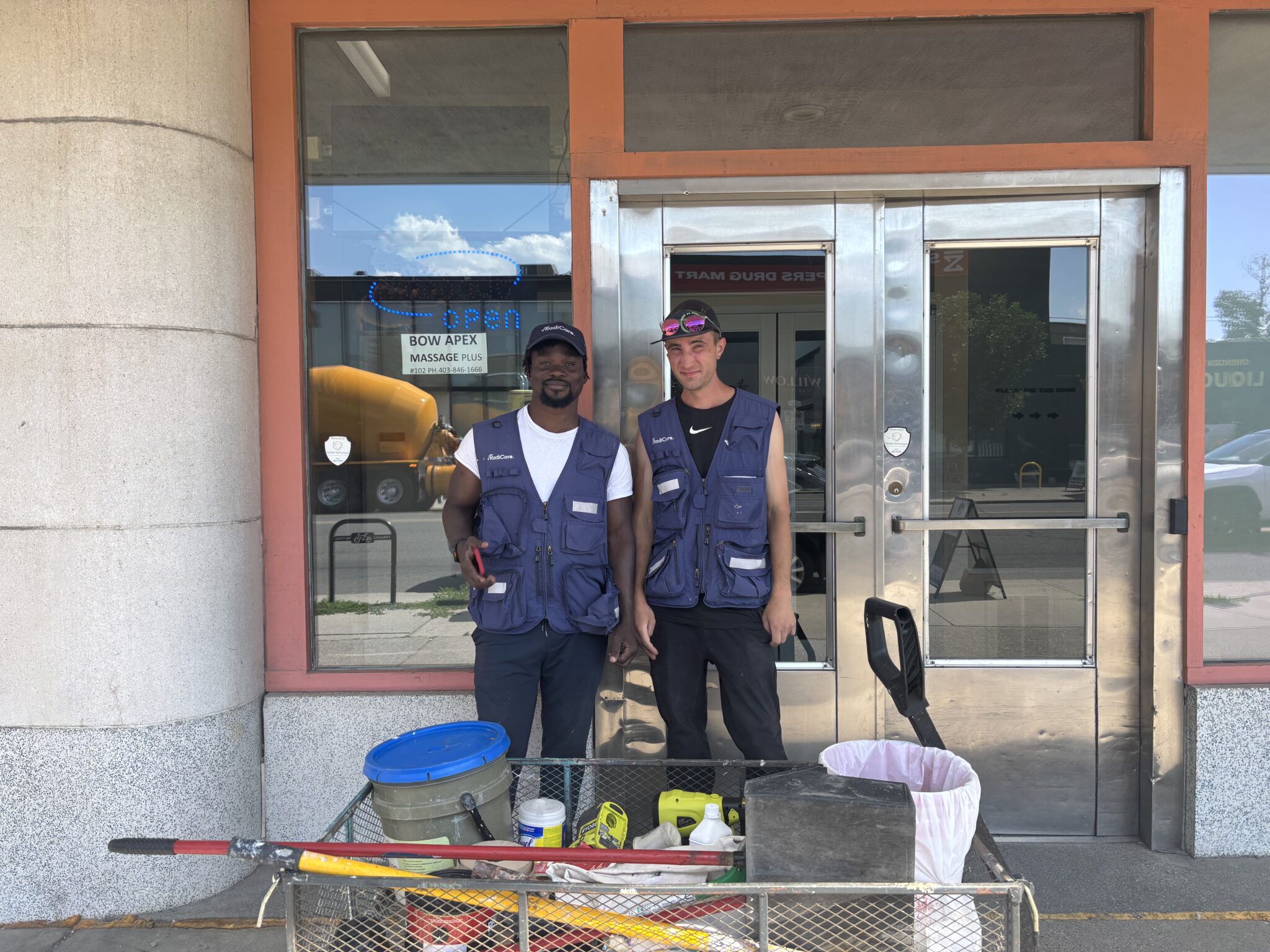
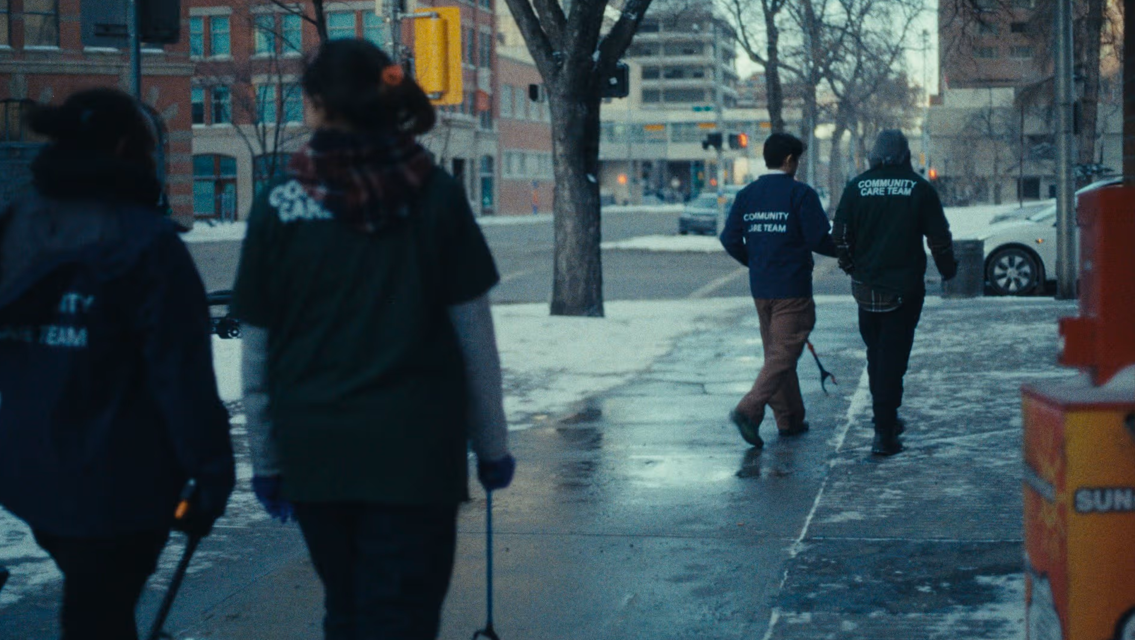
If you’ve spent any time in Crescent Heights Village, you’ve probably seen them in their blue vests, picking litter, cleaning up graffiti, removing weeds and other clean-up activities. That’s the BIA’s Community Care Team, provided by RadiCare.
RadiCare is a company specializing in comprehensive community cleaning and maintenance services. Its expertise includes graffiti removal, pressure washing, community space cleanups, litter and sharps removal and cleaning up biological waste.
The company works closely with Business Improvement Areas (BIA’s) like ours, commercial property managers, public institutions and non-profit organizations to help maintain sanitary and safe public spaces. RadiCare also partners with the Calgary Municipal Land Corporation (CMLC) and the Calgary Public Library.
Creating opportunities
What sets this company apart is its commitment to making a positive impact beyond its cleaning services. RadiCare is motivated to strengthen communities while creating meaningful opportunities for vulnerable individuals. Helping them gain valuable work experience, foster a sense of belonging and build skills.
RadiCare collaborates with local non-profit organizations, including Mustard Seed, Prospect Human Services and Momentum Calgary, which refer clients to the company for employment opportunities.
The story behind RadiCare
CEO Bill Zheng is a registered nurse who founded the company after spending four years working on the front lines of the homelessness and addiction sector. His experience in emergency shelters, street outreach and security work gave him firsthand insights into the challenges faced by vulnerable populations and inspired him to create a business that addresses both community cleanliness and social impact.
“While in that line of work that’s when I realized that some of my clients are perfectly employable and are actively seeking employment, but they couldn’t really get an opportunity to do so. They were getting barred from job opportunities because of their backgrounds, even though they are very qualified,” said Zheng.

According to Zheng, cleanliness and safety are important because that’s how we drive people to our Business Improvement Areas (BIA’S), to increase economic activities for small businesses and help our communities be engaged and vibrant.
“It’s the difference between perception of safety versus reality of safety. In reality, most people experiencing homelessness are part of the most vulnerable populations in society. But there is a lot of misunderstanding between the general public and the unhoused population and I think RadiCare really helps to close that gap,” said Zheng.
Supporting health through opportunity
During his second-year in University, Zheng was introduced to community health nursing, specifically the Population Health Promotion Model (PHPM), which focuses on how communities and systems can design interventions to improve health outcomes.
Zheng said that health is rarely determined by medical interventions alone, but is often shaped by social determinants of health, particularly for individuals experiencing housing insecurity. While healthcare can diagnose and treat medical conditions, factors such as stable housing, employment, income, social support and access to services often have a significant impact on a person’s overall well-being and health.
“I think there is a lack of recognition of how nurses can be involved in spaces that are not traditionally designed for them. For example, I’m in conversations with property managers and BIA’s talking about cleanliness and safety in the community, which is not usually a conversation nurses are getting into, but it’s critical we do. We can design interventions that benefit people’s outcomes not directly but indirectly and on a large scale basis,” said Zheng.
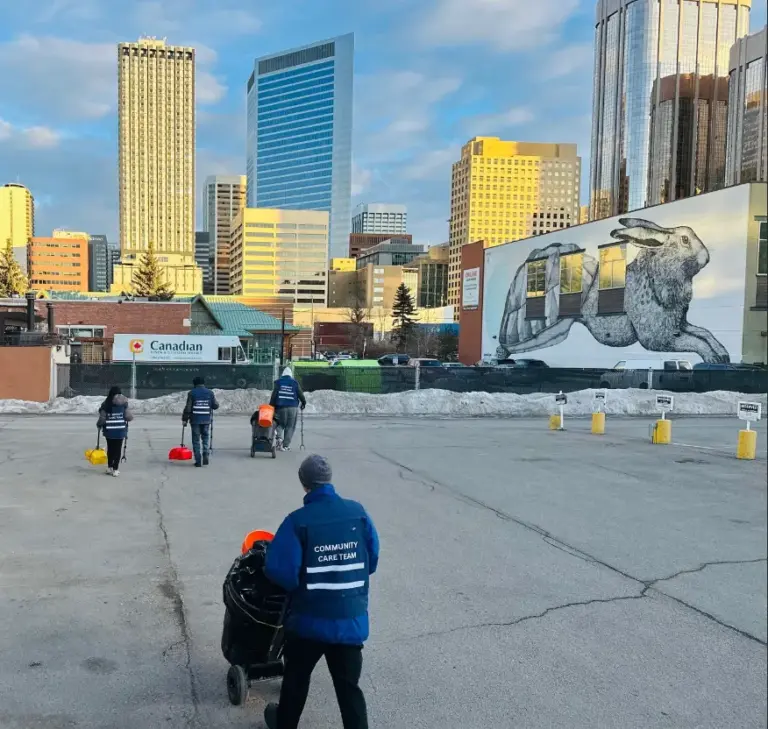
The idea is reflected in RadiCare’s approach to supporting its employees. The company seeks to address key social determinants of health by fostering social connectings among staff, providing stable employment, offering continuing professional development opportunities, and maintaining predictable work schedules and consistent pay.
According to Zheng, these supports can help create greater stability and improve employees quality of life beyond the workplace, with many moving out of shelters and into their own independent living spaces.
Two big projects
RadiCare is currently leading a deep-cleaning initiative on the third of the Calgary Drop-In Centre’s main shelter, an area that has not undergone a thorough cleaning in years. As part of the project, hundreds of beds used daily by shelter clients are being professionally deep cleaned. The project aims to create a cleaner, healthier and more welcoming environment for the hundreds of individuals who rely on the shelter’s services every day.
RadiCare operates as a social enterprise, meaning its primary purpose is to create social impact rather than maximize profit. Unlike a traditional charity, the organization is financially self-sustaining, generating enough funds to cover its operations while reinvesting any surplus into the business to expand community impact and services. This model has allowed RadiCare to continue growing its services without relying solely on donations.
A portion of RadiCare’s surplus funding supports its annual Pop-Up Care Village, a one-day nonprofit festival first launching in 2022. Held each August in a downtown Calgary park, the event brings together individuals experiencing vulnerabilities, including facing homelessness or housing insecurity, for a day of connection and support.
The festival features live music, dancing, entertainment, free haircuts and massages and access to a wide range of community services. By combining essential supports with a welcoming festival atmosphere, Pop-Up Care Village aims to foster dignity, inclusion and a sense of community for those who attend.
Additionally, RadiCare also has peer navigators located at the central library if anyone is in need of resources on Tuesdays, Thursdays or Saturdays.
A future built on purpose
Looking ahead, RadiCare hopes to expand its reach and social impact throughout Calgary. The organization aims to partner with all 15 Business Improvement Areas (BIA’s) in the city while also working with private-sector companies, small businesses and property owners to provide professional janitorial and cleaning services.
“We’re actually trailblazing and telling other businesses, that it is possible to hire folks who maybe have a criminal background, who maybe have experienced homelessness or addiction, our staff, I’m proud to say, are very hardworking,” said Zheng.
In addition to expanding operations, RadiCare is investing in technology and innovation. The organization is developing enhanced data collection systems and plans to provide BIA’s, businesses and other partners with dedicated data portals.
This infrastructure is intended to improve access to information, streamline service delivery and help partners better understand the impact of RadiCare’s work within their communities.
Like this article?

